

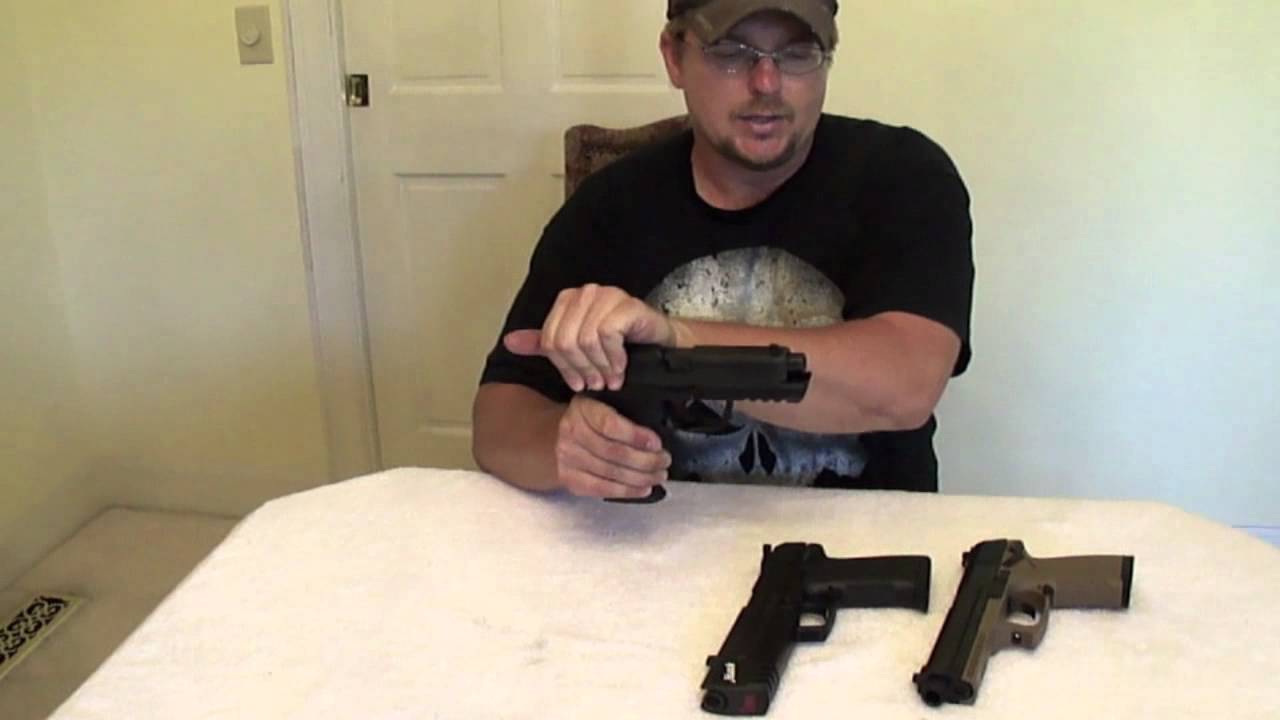
When clearing your firearm, you’ll need to avoid seven critical mistakes that can lead to accidents. Never assume a gun is unloaded, keep the muzzle pointed in a safe direction, and maintain trigger finger discipline. Don’t rush the clearing process, skip visual chamber inspections, or forget to remove all ammunition from the area. Always physically verify rather than rely on memory. Understanding these fundamentals will help prevent catastrophic errors during firearm handling.
Key Takeaways
- Never assume a firearm is unloaded – always treat every weapon as if it’s loaded until personally verified through proper inspection.
- Keep your finger off the trigger and outside the trigger guard throughout the entire clearing process.
- Maintain muzzle discipline by always pointing the firearm in a safe direction, regardless of its presumed condition.
- Take your time during clearing procedures – rushing increases the risk of dangerous mistakes and oversights.
- Always perform a thorough visual and physical inspection of both the chamber and magazine well.
Not Treating Every Firearm as Loaded
When handling firearms, treating every weapon as if it’s loaded stands as the most fundamental safety principle you must follow. Even when you’re certain you’ve cleared the chamber, maintaining this mindset prevents potentially catastrophic mistakes during the clearing process.
You must never assume a firearm is unloaded, even for a moment. Before you begin clearing your weapon, make sure you’re following proper safety protocols. A single lapse in judgment, like forgetting to check the chamber or becoming complacent during routine handling, can have devastating consequences.
Failing to Point the Muzzle in a Safe Direction
Proper muzzle control ranks among the most critical aspects of safe firearm handling, especially during the clearing process. When checking the chamber, you must always keep the muzzle pointed in a safe direction, typically downrange or toward a reliable backstop. Keep your finger off the trigger while handling firearms, as mechanical failures or human error can lead to unintentional discharge with devastating consequences.
Essential rules when clearing your firearm:
- Maintain constant awareness of your muzzle direction, ensuring it’s never pointed at anything you’re not willing to destroy
- Position yourself so the muzzle naturally points toward a safe backstop during the entire clearing procedure
- Develop muscle memory for proper muzzle discipline through consistent practice and adherence to safety protocols
These habits are non-negotiable for preventing accidents and ensuring everyone’s safety during firearm operations.
Keeping Your Finger on the Trigger
One of the deadliest mistakes in firearm handling is keeping your finger on the trigger during the clearing process. Even if you believe the gun is unloaded, maintaining trigger contact significantly increases the risk of an unintentional discharge with potentially catastrophic results.
Proper firearm safety demands that you keep your finger off the trigger and straight alongside the frame until you’re ready to shoot. When clearing a firearm, your trigger finger should remain indexed and well clear of the trigger guard. This fundamental aspect of safe gun handling isn’t optional – it’s essential for preventing accidents.
Rushing Through the Clearing Process

When you’re clearing a firearm, you’ll need to resist the urge to rush through the process, as haste can lead to dangerous oversights and mistakes. Take your time to methodically inspect the chamber, magazine well, and safety mechanisms, ensuring you’ve completed every step correctly.
A thorough, deliberate clearing routine will help you maintain proper safety protocols and prevent potentially catastrophic errors.
Slow Down, Stay Safe
Although the urge to quickly clear your firearm may be strong, rushing through this critical safety procedure can have devastating consequences. When clearing your weapon, it’s essential to develop a methodical, deliberate approach that prioritizes safety over speed. Take your time to be absolutely sure the gun is clear by following a consistent routine.
Handle the firearm with purpose and focus, maintaining muzzle discipline throughout the clearing process. Check the chamber both visually and physically, using touch to confirm no rounds are present. Double-check your work – even after you think the gun is clear, verify one more time.
Take Time, Check Twice
Rushing through the firearm clearing process stands out as a leading cause of preventable accidents. When you’re handling any gun, it’s critical to slow down and verify the gun is unloaded through multiple checks. One thing you should never do is rush this vital safety procedure.
The rules of firearm handling demand thorough verification – check, then check again, and check a third time. Even if you’re certain you cleared the weapon last time, treat every clearing procedure as if it’s your first. By physically and visually inspecting the chamber at least three times, you’re building essential safety habits.
Take a methodical approach the next time you clear a firearm, and remember that those extra moments spent double-checking could prevent a catastrophic accident.
Skipping Visual Chamber Inspection

One of the most dangerous mistakes in firearm handling is skipping the visual chamber inspection. When you assume a gun is unloaded without looking, you’re putting yourself and others at serious risk. A proper chamber check requires you to physically and visually verify both the chamber and magazine well while keeping the firearm pointed in a safe direction.
Never rely solely on:
- Tactile press checks or feeling for a round in the chamber
- Cycling the action without looking inside
- Someone else’s word that the firearm is clear
Your eyes must confirm what your hands are telling you. Even if you’re certain you unloaded the firearm earlier, take the time to look. Visual verification is your final, definitive proof that no round remains in the chamber. This simple habit can prevent devastating accidents.
Neglecting to Remove All Ammunition From the Area
While clearing your firearm, you must completely remove all ammunition from the immediate area. When you handle a firearm with the slide locked back, having live ammunition nearby creates unnecessary risks. You’ll want to ensure no rounds can accidentally be reintroduced during the clearing process.
| Safety Step | Risk | Prevention |
|---|---|---|
| Remove Magazines | Accidental Loading | Store Away |
| Clear Chamber | Unintended Discharge | Visual Check |
| Check Area | Round Reintroduction | Sweep Clean |
| Inspect Well | Missed Ammunition | Double Check |
| Pull Trigger | Firing Pin Strike | Clear Space |
Before you pull the trigger to verify the firing pin function, scan your workspace thoroughly for any stray rounds or magazines. This eliminates the possibility of accidentally reloading the firearm during clearing. Always maintain this strict protocol – it’s a critical component of safe firearm handling.
Relying on Memory Instead of Physical Verification
Experienced firearm handlers must resist the dangerous temptation to rely on muscle memory alone during clearing procedures. Even law enforcement professionals can fall victim to complacency when depending solely on memory instead of proper visual inspection. Every time you handle a firearm, you must physically and visually verify its condition to prevent potential injury or death.
Based on the information provided by safety experts, here are critical verification steps you must follow:
- Remove the magazine and lock the slide back for a clear view of the chamber
- Physically and visually inspect both the chamber and magazine well
- Perform these checks multiple times, even if you’re certain the firearm is clear
Don’t let overconfidence compromise your safety routine. Memory can fail, but a thorough physical verification process ensures reliable clearing every time.
Frequently Asked Questions
Which of the Following Is an Important Consideration When Cleaning a Firearm?
You’ll need to prioritize multiple safety measures required when cleaning your firearm. Always select a proper storage location away from distractions and maintain a consistent cleaning schedule to prevent buildup.
Use proper cleaning materials specified by the manufacturer and follow appropriate disassembly techniques carefully. Remember to double-check that the firearm is completely unloaded before beginning any maintenance work. Never skip safety protocols, even if you’re familiar with the process.
What Is Recommended When Cleaning a Firearm?
When cleaning your firearm, you’ll need to focus on proper lubrication to ensure smooth operation and prevent wear. Start with thorough disassembly following your manufacturer’s guide.
Always maintain safe handling practices by keeping the muzzle pointed in a safe direction and verifying the weapon is unloaded. Pay attention to correct reassembly of all components.
Regular maintenance is essential – establish a cleaning routine after each use to maintain reliability and performance.
What Is the Rule of 3 for Guns?
The Rule of 3 requires you to check your firearm three times to verify it’s unloaded. First, remove the magazine while maintaining proper trigger discipline. Second, rack the slide or action three times. Finally, physically and visually inspect the chamber.
This practice should become part of your regular maintenance schedule and safe storage practices. It’s as essential as identifying wear patterns and practicing efficient magazine changes for overall firearm safety.
What Are the Three Most Common Malfunctions of a Gun?
When operating a firearm, you’ll likely encounter three primary malfunctions. First, failure to eject (stovepipe) occurs when a spent casing doesn’t fully clear the chamber.
Second, you might experience trigger malfunctions where the firing mechanism doesn’t engage properly. Third, magazine-related issues like double feeds can happen when two rounds attempt to enter the chamber simultaneously.
It’s crucial that you learn to identify and safely clear these malfunctions during your firearms training.
Conclusion
You’re now equipped with essential knowledge to avoid dangerous clearing mistakes, but remember – a single moment of complacency can have devastating consequences. Don’t let routine create overconfidence. Whether you’re a seasoned shooter or new to firearms, these safety protocols aren’t optional – they’re critical lifesaving measures. Maintain unwavering vigilance in your clearing procedures, because there’s no room for error when handling firearms.


0 Comments