

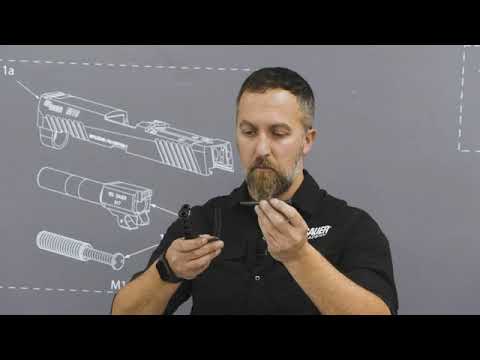
Common firearm clearing mistakes can put you and others at serious risk. You’ll often find people rushing through safety protocols, failing to maintain proper muzzle control, and neglecting thorough chamber inspections. Critical errors include premature trigger manipulation, poor environmental awareness, and incomplete verification procedures. You must always physically check the chamber three times, maintain strict muzzle discipline, and follow proper clearing protocols. Understanding these mistakes is your first step toward safer firearm handling.
Key Takeaways
- Rushing through the clearing process instead of methodically following each safety step, increasing the risk of overlooking loaded chambers.
- Failing to properly verify the chamber is empty through visual, physical, and functional checks multiple times.
- Not maintaining proper muzzle control throughout the entire clearing procedure, creating unsafe conditions for others nearby.
- Keeping finger near or on trigger during clearing rather than maintaining proper trigger discipline outside guard.
- Neglecting to remove all ammunition from the immediate area before beginning the clearing process.
Rushing Through Safety Protocols When Clearing
The most dangerous habit when handling firearms is rushing through safety protocols during the clearing process. When you’re in a hurry, you’re more likely to skip crucial steps like properly checking the chamber and magazine well. You can’t assume a firearm is unloaded without visual and physical confirmation.
Maintaining proper muzzle control is essential – keep the firearm pointed in a safe direction throughout the entire clearing procedure. Before you begin, remove all ammunition from your immediate area to prevent accidentally reintroducing live rounds.
Don’t neglect any steps in the process: lock the action open, remove the magazine, and thoroughly inspect the chamber. Remember, clearing a firearm isn’t a race – taking your time helps ensure everyone’s safety and prevents potentially fatal mistakes.
Muzzle Direction Violations During Clearing Process
While clearing a firearm, maintaining proper muzzle control stands as one of your most critical safety responsibilities. You must keep the muzzle pointed in a safe direction throughout the entire clearing process, even when you’re preparing to visually inspect the chamber. Failing to maintain proper muzzle discipline can lead to devastating consequences if an accidental discharge occurs.
You’ll need to be especially vigilant about muzzle direction when checking for dirt and residue or examining the firing pin. Don’t let complacency creep in – neglecting safety protocols by carelessly pointing the muzzle in an unsafe direction puts you and others at serious risk. Always ensure your finger’s off the trigger and the firearm remains pointed downrange or toward a cleared backstop during every step of the clearing procedure.
Improper Chamber and Magazine Well Inspection
Proper muzzle control must be paired with thorough chamber and magazine well inspections to ensure complete firearm safety. You’ll need to triple-check the chamber visually and physically to confirm it’s empty – skipping this critical step can lead to unintentional discharge.
When clearing your gun, always remove the magazine first, as failing to do so may leave rounds that could be chambered.
Don’t rush the inspection process. Take time to verify both the chamber and magazine well are free of ammunition. You must look and feel inside these areas carefully, as overlooked rounds pose serious risks. Many unintentional discharges occur because someone failed to properly inspect and unload their firearm.
Your safety depends on following these inspection procedures every time you clear your gun.
Premature Trigger Manipulation While Clearing

Your finger must stay completely off the trigger throughout the firearm clearing process until you’ve confirmed the weapon is fully unloaded and pointed in a safe direction. Keeping your trigger finger straight and rested along the frame of the firearm prevents unintentional discharges that could occur during inspection of the chamber and magazine well.
You’ll need to develop consistent muscle memory for proper finger placement outside the trigger guard, as this fundamental safety practice protects both you and others during the clearing procedure.
Finger Position During Clearing
The cardinal rule of trigger finger discipline becomes especially critical during firearm clearing procedures. Your finger position serves as a vital safety barrier between a controlled process and a potential accident. By keeping your finger straight and indexed along the frame, you maintain complete control while clearing your firearm.
To ensure proper finger position during clearing:
- Keep your trigger finger fully extended and outside the trigger guard
- Index your finger along the frame of the firearm until you’re ready to fire
- Maintain this position throughout the entire clearing process
- Practice this positioning until it becomes muscle memory
This fundamental safety protocol helps prevent unintended discharges when handling moving parts during clearing procedures. Consistent practice of proper finger placement will significantly reduce the risk of firearms accidents while reinforcing essential safety habits.
Trigger Safety When Unloading
Premature trigger manipulation during firearm clearing represents one of the most dangerous mistakes you can make while handling a weapon. Keep your finger off the trigger and outside the trigger guard until you’re ready to shoot, even when you believe the gun is unloaded. This fundamental rule shouldn’t be compromised during the clearing process.
To clear a failure or unload safely, you must pay attention to proper trigger discipline throughout the entire procedure. When checking the chamber and magazine, maintain a methodical approach that keeps your trigger finger along the frame. Don’t let rushing or distractions compromise safety. The risk of accidental discharge is highest when handlers become complacent.
Establish a consistent routine that prioritizes safe and responsible clearing practices. If you’re unsure about proper clearing techniques, seek professional training to develop correct habits.
Environmental Awareness Lapses During Clearing
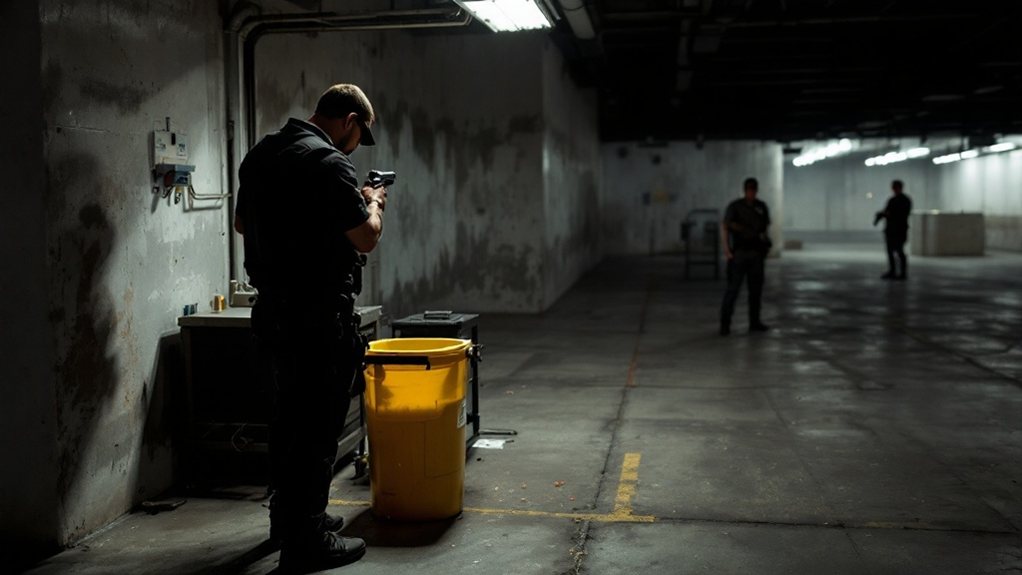
When clearing your firearm, you’ll need to maintain constant awareness of what lies beyond your muzzle, as unsafe backstops can lead to tragedy if an accidental discharge occurs. You must select a clearing area that provides adequate protection, like a purpose-built clearing barrel or designated safe direction, rather than assuming any wall or surface will suffice.
Your choice of clearing location should account for the potential presence of people, valuable property, and penetrable surfaces in the surrounding environment.
Overlooking Backstop During Clearing
Safety protocols during firearm clearing must include proper identification and use of a reliable backstop, yet many handlers overlook this critical step. When you’re clearing a firearm, maintaining environmental awareness and muzzle discipline is essential for responsible handling.
Your failure to identify a proper backstop can lead to these serious consequences:
- Unintended discharge penetrating walls or floors, causing property damage
- Ricochets or bullet fragments endangering others due to improper direction
- Accidental harm to people in adjacent rooms or spaces
- Compromised safety from muzzle pointing at unintended targets
Before you clear your firearm, always assess your surroundings and identify a suitable backstop that will contain any potential discharge. This careful attention to direction and environment ensures you maintain control and safety throughout the clearing process.
Unsafe Clearing Area Selection
Many firearm handlers choose inappropriate locations for clearing their weapons, creating unnecessary risks for themselves and others. When you need to clear malfunctions or unload your firearm, always ensure you’re in a secure location where bullets can travel safely if an accidental discharge occurs.
You must be aware of your surroundings and verify there’s adequate space to work with your safe gun. The firearm should be pointed in a safe direction, typically toward a proper backstop that can contain rounds. Don’t attempt clearing procedures in crowded areas, near hard surfaces that could cause ricochets, or where the ejection port might direct brass toward others.
Select an area free from distractions and foot traffic, allowing you to focus entirely on the clearing process while maintaining control of your weapon.
Physical Verification and Visual Check Oversights
Three critical oversights in firearm clearing procedures stem from inadequate physical and visual verification steps. When you rush through the clearing process without proper checks, you’re putting yourself and others at serious risk. Failing to make sure your firearm operates safely requires thorough verification every time.
- Not physically checking the chamber three times while you rack the slide
- Skipping visual confirmation of an empty magazine before and after removal
- Failing to verify no live ammunition remains after you tap the magazine release
- Neglecting to perform all three verification points – visual, physical, and functional checks
These oversights can lead to failures to eject and potentially leave a round chambered. Following the complete verification protocol is essential for preventing accidental discharges and ensuring your firearm is truly clear.
Frequently Asked Questions
What Is the First Step in Clearing a Firearm?
The first step in clearing a firearm is proper firearm handling – you’ll need to point the weapon in a safe direction and keep your finger off the trigger.
Next, you’ll focus on safe magazine removal, ensuring you’ve followed the manufacturer’s instructions specific to your firearm model. Don’t skip this crucial initial step, as it sets the foundation for safely clearing your weapon before moving on to verifying chamber emptiness.
Can You Mess up Cleaning a Gun?
Yes, you can definitely mess up cleaning a gun. Your mistakes could include improper lubrication leading to excessive wear, leaving barrel obstructions from cleaning rods, damaging broken components during disassembly, or allowing residue buildup from incorrect solvent use.
You’ll also want to watch for magazine issues, trigger malfunctions, and firing pin problems. Spring fatigue, sight misalignment, and improper reassembly are common errors that can make your firearm unsafe or inoperable.
Which of the Following Is an Important Consideration When Cleaning a Firearm?
“An ounce of prevention is worth a pound of cure” rings especially true with firearm cleaning. You’ll need to prioritize muzzle direction and safety condition throughout the process.
Start by ensuring proper ammunition removal and magazine extraction. Always maintain trigger discipline while performing chamber inspection. Before beginning firearm disassembly, double-check that it’s completely unloaded.
Follow manufacturer guidelines for solvent application, lubricant application, and the reassembly process to maintain your weapon’s reliability.
What Are the Three Most Common Malfunctions of a Gun?
When you’re handling firearms, you’ll typically encounter three main malfunctions. First, failure to fire occurs due to a light strike or broken firing pin, resulting in a misfire.
Second, failure to feed happens when you’ve got a faulty magazine spring or double feed situation.
Third, failure to eject, often called a stovepipe, involves a jammed cartridge that doesn’t properly extract. You’ll also want to watch for squib loads, which can be particularly dangerous.
Conclusion
Proper firearm clearing requires methodical attention to every safety step – you can’t rush or skip protocols without risking disaster. While it’s theorized that most negligent discharges happen with “empty” guns, the truth lies in incomplete clearing procedures. You’ll prevent accidents by maintaining muzzle discipline, fully inspecting chambers and magazines, verifying visually and physically, and staying environmentally aware throughout the entire clearing process.


0 Comments